After the horrific killing of George Floyd by police officers and the horrifying spectacle of Amy Cooper calling the police on Christian Cooper because he asked her to leash her dog in a wildlife area earlier this week, I wanted to create a space to compile the resources I have used and especially those that have been circulating around the internet over the past few days for racial justice.
Alternatives to Policing
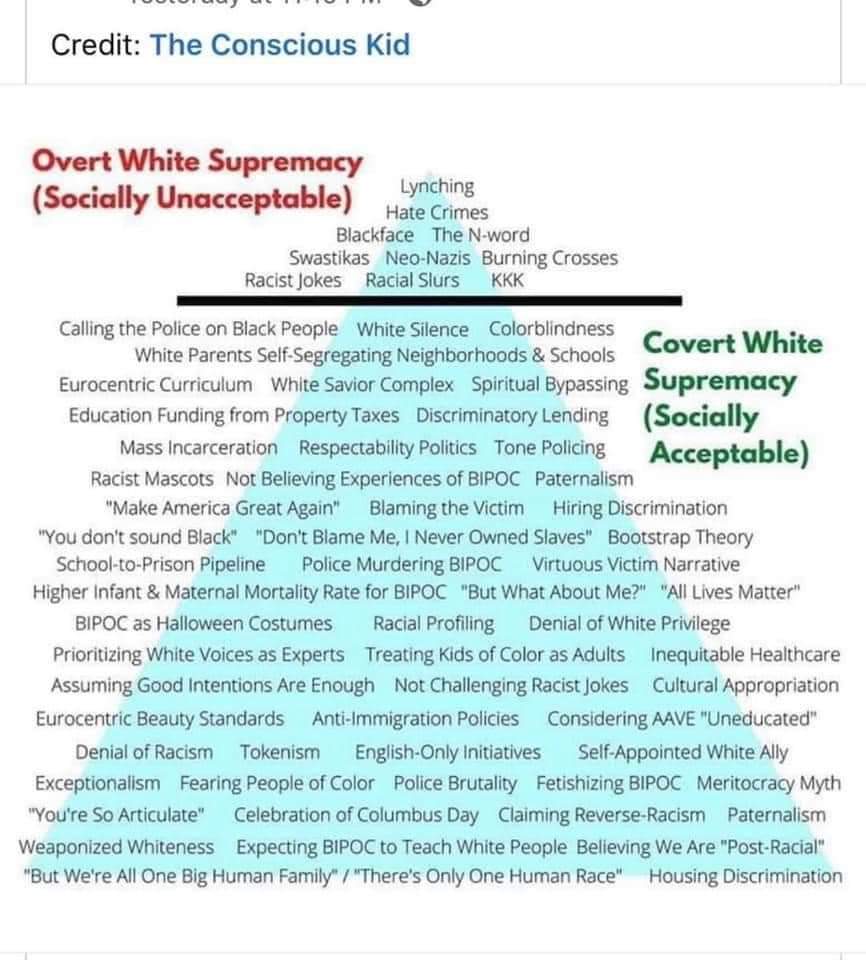
It is abundantly clear that calling the police on black and brown people, especially black men, can turn deadly. The following aresuggested alternatives to calling the cops. The reality is that there are not any perfect solutions to this from within a system that allows police brutality against black and brown people to continue to happen. However, until we can revamp the system into one which is racially just, this is a way to begin thinking beyond dialing 9-1-1. It could save a life.
Poor Magazine: From Amy Goodman to Nadra Foster: Implementing Alternatives to Police Terror
Poor Magazine: 10, (11, 12 or 13) things You Can Do Instead of the Calling the Kkkops
Alternatives to Calling the Police, a resource sheet compiled by my classmates for a presentation on never ever ever ever ever calling the cops in Fall of 2019.
Unitarian Universalist Association: Alternatives to Calling the Police
Dismantling White Supremacy, Recognizing Implicit Bias, and Confronting White Privilege
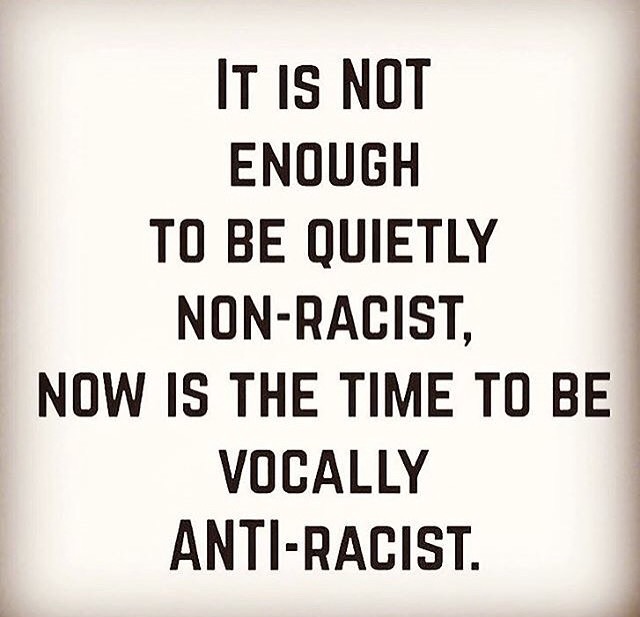
Fellow white people, this is work that we have to do ourselves. We cannot expect to be told what is needed from us, our black and brown siblings are exhausted from having to dredge up racial trauma every time a white person doesn’t get it. If you’re reading this and feeling angry because you’re not a racist!, please take a moment to explore where that intense feeling comes from.
This work is not easy. I’m not going to sugar coat it, it activates every single shameful, guilty, icky feeling and automatically puts us on the defensive. That’s a lot of powerful nastiness that goes ignored and just grows more unwieldy and unpredictable if we don’t confront it, so let’s deflate our inner “IM NOT A RACIST!!!!” balloon. That’s the balloon that allows folks like Amy Cooper, who it has been speculated is a liberal due to leaked campaign donation info, to go from “donated to Obama’s campaign” to “White women’s tears” in no time at all. The push to do our own work is so that we can chip away at the implict bias, white innocence, and privilege that allows this kind of behavior to come out of us.
Medium.com: 75 Things White People Can Do for Racial Justice
Anti-racism resources for white people This Google Doc has a TON of recommendations from books to podcasts to movies. This is a great starting point.
White Privilege: Let’s Talk—A Resource for Transformational Dialogue This curriculum is designed to start the conversation in small groups. It was written for churches, but has good content that would translate well for other groups.
Anti-Racism Resources for White People: “Conscious/Spiritual/Leader” Edition “This document is intended to serve as an introductory self-educational resource to white people to deepen our anti-racism work while adding nuance and humility to concepts largely held in personal development, conscious, spiritual, coaching and thought leader type communities.”
Inquiry on City Efforts to Eliminate Racial Discrimination in Policing A good template for contacting local leadership about the steps being taken to eliminate police racial discrimation.
Resources for Accountability and Actions for Black Lives Who to contact, templates of letters, and ways to donate to pro-black movements.
I will continue to add to this list as I find more resources. If you know of a great resouce that I haven’t included here, please leave it in the comments.
One final note: when stories like the two from Monday are all over the news and social media, it can be really difficult for our PoC friends to see the disturbing imagery of an officer with his knee on a man’s neck. When sharing memes or news stories, please keep in mind that there are people who are experiencing trauma each time they encounter these images. We need to share these stories and talk about what has happened and ACT on what is happening, but we should also be aware of the emotional toll this takes on our friends as our posts pop up on their social media feeds.
 Busy Little Sunshine
Pingback: May 31, 2020 | Scripture, Sermon, & Prayers – Grace Community Church UCC, North Fork